Fire Damage Restoration Cost in Savannah, GA: What Homeowners Need to Know
Fire Damage Restoration Cost in Savannah, GA: What Homeowners Need to Know
Fire damage restoration in Savannah, GA typically costs between $2,900 and $38,325, with most homeowners paying $4 to $6.50 per square foot for combined fire and water damage remediation. Severe structural damage can push totals past $125,000, especially in Savannah’s Historic District where specialized materials and permit requirements add significant cost. Acting within the first 72 hours is critical to keeping costs manageable. Read the full Fire damage restoration: what to expect from inspection to rebuild guide for a complete process overview.
Why Fire Restoration Costs in Savannah Are Different From the National Average
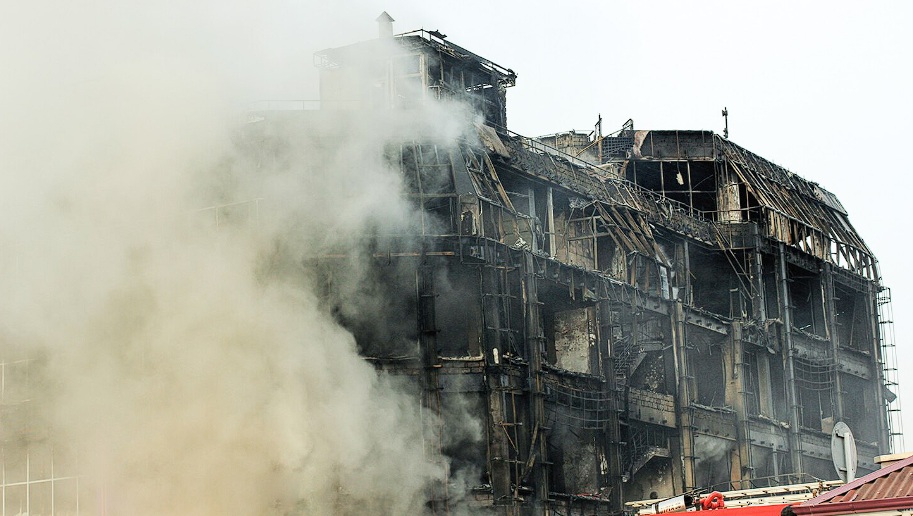
National cost guides give homeowners a starting point, but they rarely tell the full story for a city like Savannah. According to HomeAdvisor, the national average for fire and smoke remediation sits at $27,175, with most projects falling between $3,107 and $51,243. Savannah’s local range runs somewhat lower at $2,900 to $38,325 for typical projects, but several factors unique to this city can push costs well above the national norm.
Three forces shape fire restoration pricing in Savannah in ways that out-of-state cost calculators simply cannot account for: the Historic District’s regulatory requirements, the coastal subtropical climate, and the city’s aging housing stock. Each one has direct, measurable consequences for your final bill.
The Historic District Factor
Savannah’s Historic District is one of the largest National Historic Landmark Districts in the United States, and it comes with a regulatory layer that surprises many homeowners encountering fire damage for the first time. Before any structural repair work can begin on a property within the district, a Certificate of Appropriateness (COA) must be obtained from the Historic Preservation Commission or the Downtown Historic District Board of Review. This applies to properties in the Savannah Downtown Historic District, the Victorian Historic Overlay District, the Streetcar Historic Overlay District, and the Cuyler-Brownville Historic Overlay District.
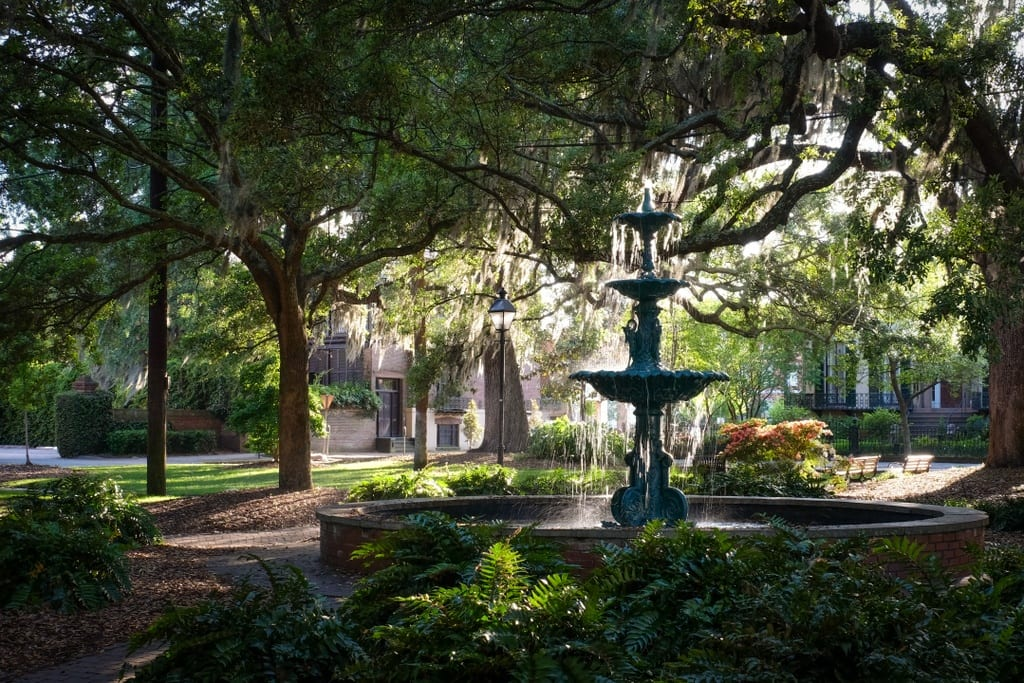
Practically speaking, this means restoration contractors cannot simply swap fire-damaged materials for whatever is cheapest or fastest to source. Replacement materials must be visually compatible with the original structure. Original wood siding, heart pine flooring, plaster wall systems, and period-appropriate trim all cost significantly more to source and install than modern alternatives. The COA review process also adds time to project timelines, which in turn extends the period during which secondary damage from humidity and mold can accumulate.
Savannah’s Climate and the Hidden Moisture Problem
Coastal Georgia’s subtropical humidity is not just uncomfortable; it is an active threat to fire-damaged structures. Firefighting efforts introduce thousands of gallons of water into a building. In most climates, aggressive drying can stabilize a structure within days. In Savannah, ambient moisture works against every dehumidifier on the job site. Mold can establish itself within 24 to 48 hours in a wet Savannah structure, and once mold is present, remediation costs increase substantially.
There is a secondary effect that most cost guides overlook entirely. Smoke, soot, and moisture in Savannah’s humid air do not stay where the fire burned. They migrate through wall cavities, through lath and plaster assemblies, and through ventilation pathways, settling deep inside insulation or beneath flooring. In older homes with wood framing and plaster walls, these hidden deposits absorb smoke particles differently than drywall in newer construction, requiring more aggressive and time-consuming cleaning protocols. The warm climate keeps those residues chemically active, meaning they continue breaking down surfaces long after the fire is out.
Asbestos and Lead Paint in Pre-1980 Savannah Homes
If your Savannah home was built before 1980, whether in Ardsley Park, Thomas Square, or within the Historic District itself, fire damage may expose asbestos-containing materials or lead paint. Once disturbed by fire and water, these materials require professional hazmat testing and, if positive, licensed abatement before standard restoration work can proceed. Asbestos abatement alone can add $1,500 to $30,000 to a project depending on the scope, and it is a cost that almost no Savannah-focused cost guide currently mentions.
Understanding the 72-Hour Critical Window
The single most important thing Savannah homeowners can do after a fire is act immediately. The first 72 hours after a fire determine long-term damage severity and ultimately dictate total restoration costs. Soot and smoke residue become exponentially harder to remove as time passes. Within hours of a fire, acidic soot begins etching metal fixtures, discoloring grout, and permanently staining porous surfaces. Within days, smoke odor penetrates deeper into structural materials, requiring more aggressive and expensive treatment methods like thermal fogging or ozone treatment.
In Savannah’s climate, those 72 hours are even more consequential because moisture from fire suppression combines with ambient humidity to accelerate both material deterioration and mold growth simultaneously. A restoration crew that arrives within hours of a fire can often preserve materials that would otherwise need full replacement, and that distinction alone can represent tens of thousands of dollars in avoided costs.
Fire Damage Restoration Cost Breakdown: Savannah vs. National
The table below separates local Savannah estimates from national benchmarks and breaks down individual service costs so you can understand what drives your specific quote.
| Service or Scope | Savannah, GA Estimate | National Benchmark |
|---|---|---|
| Minor smoke and odor only (cooking fire, small room) | $800–$4,500 | $800–$6,000 |
| Mid-range restoration (structural repairs, soot, water) | $4,500–$38,325 | $15,000–$52,031 |
| Severe/premium (major structural, specialized remediation) | $52,000–$125,000+ | $52,000–$180,000 |
| Per square foot rate | $4.00–$6.50 | $4.00–$7.00 |
| Water damage from suppression efforts | $1,000–$6,000 | $1,000–$6,000 |
| Soot removal | $2,000–$6,000 | $2,000–$6,000 |
| Smoke damage per room | $200–$1,200 | $200–$1,200 |
| Duct cleaning | $250–$500 | $250–$500 |
| Thermal fogging | $200–$600 | $200–$600 |
| Ozone treatment | $400–$800 | $400–$800 |
| Furniture deodorizing | $200–$1,000 | $200–$1,000 |
| Historic District compliance premium (COA, materials) | Varies, often 15–30% added cost | N/A |
| Asbestos testing and abatement (pre-1980 homes) | $1,500–$30,000 | $1,500–$30,000 |
What Is Actually Included in Fire Damage Restoration?
One of the most persistent sources of confusion for homeowners reviewing quotes is that different contractors define “restoration” differently. Some quotes cover only cleanup and remediation, which typically includes soot removal, smoke odor control, air quality treatment, and debris hauling. Others blend in full reconstruction, such as drywall replacement, flooring installation, roofing repair, and structural framing. A quote of $8,000 and a quote of $40,000 for the same fire may not be incompatible if one covers cleanup only and the other covers cleanup through rebuild.
Before signing any contract, confirm exactly where the scope begins and ends. A reputable restoration company will provide a written line-item estimate that separates remediation costs from reconstruction costs, making it easier to work with your insurance adjuster and to understand what your policy covers.
The Cleanup and Remediation Phase
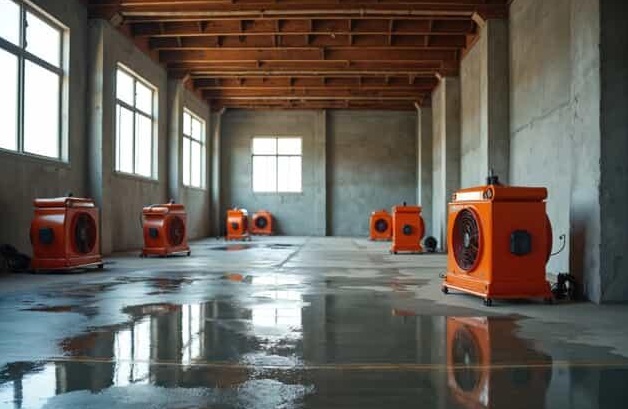
Remediation begins with a full inspection to document the extent of damage, test air quality, and identify hidden moisture pockets. The crew then removes debris and damaged contents, sets up containment to prevent cross-contamination, and begins structural drying with industrial dehumidifiers and air movers. Soot and smoke residue are cleaned using specialized chemical agents matched to the surface type, because the wrong cleaner on plaster, wood, brick, or fabric can cause additional damage. Odor neutralization follows, using thermal fogging, ozone treatment, or hydroxyl generators depending on the severity and the materials involved.
The Reconstruction Phase
Once the structure is clean, dry, and cleared by any required inspectors, reconstruction begins. In Savannah’s Historic District, this phase is subject to COA approval and must use materials that meet preservation standards. Across the city, all structural repair work requires a building permit under Georgia State Minimum Standard Codes. Major repairs affecting structural integrity can cost $15,000 to $25,000 per room according to national data, which reflects why total project costs vary so dramatically.
Does Homeowner’s Insurance Cover Fire Damage in Savannah?
Standard homeowner’s insurance policies in Georgia typically cover fire damage as a named peril, meaning the cost of both cleanup and rebuild is covered subject to your deductible and policy limits. The National Fire Protection Association reports that cooking is the leading cause of home structure fires in the United States, averaging 159,400 home fires per year between 2019 and 2023. That statistic matters because insurers track cause of fire carefully: an accidental kitchen fire is typically covered, while fires resulting from gross negligence or code violations may face coverage disputes.
In Georgia, landlords face additional obligations under OCGA Section 44-7-13, which requires rental property owners to restore fire-damaged units to a habitable condition within a reasonable timeframe. Failure to do so gives tenants the right to terminate their lease and potentially seek damages. If you own rental property in Savannah, the combination of insurance timelines and legal obligations makes choosing a restoration company with strong documentation practices especially important.
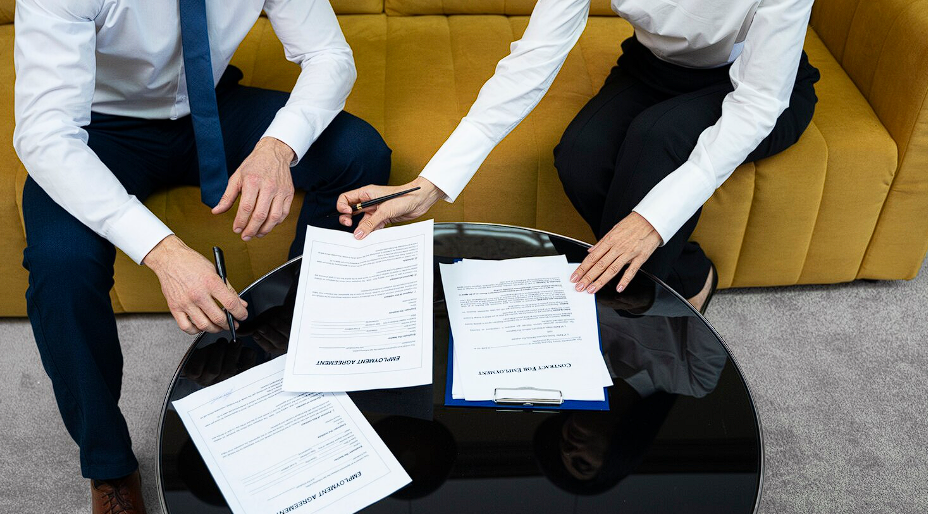
When working with your insurance adjuster, document everything before cleanup begins. Photograph all damage from multiple angles, make a written inventory of damaged contents with approximate values, and retain all receipts for emergency expenses like temporary housing. A restoration company experienced with insurance claims will often provide a detailed scope of work formatted to meet adjuster requirements, which reduces the risk of claim disputes and accelerates payout timelines.
Is It Worth Restoring a Fire-Damaged House in Savannah?
With Savannah’s median property value sitting at approximately $302,000 and average home values reaching $335,719 as of 2024, the math on restoration versus rebuild or sale usually favors restoration for all but the most catastrophic fires. As a general rule, restoration is financially preferable when total repair costs fall below 50 percent of the home’s pre-fire market value. For a $335,000 Savannah home, that threshold is roughly $167,000, which is well above the typical $2,900 to $38,325 range most local fires generate.
Historic District properties add an additional consideration: their preservation status, architectural character, and location within one of the country’s most visited historic urban cores often give them values that justify restoration costs that might seem uneconomical for a comparable home elsewhere. Selling a fire-damaged historic property in Savannah at a deep discount means leaving that premium on the table permanently.
For an independent view on how restoration professionals approach this decision, Hadyson Water Restoration offers consultations that include a frank assessment of restoration viability relative to your home’s specific condition and market position.
How to Choose a Fire Damage Restoration Company in Savannah
Not all restoration contractors operating in Savannah have experience with the city’s specific combination of historic district compliance, coastal climate drying challenges, and older building materials. When evaluating companies, ask directly whether they have handled fire restoration projects within Savannah’s Historic District, whether they are familiar with the COA process, and whether they carry the equipment needed for aggressive structural drying in high-humidity conditions.
Certifications from the Institute of Inspection, Cleaning and Restoration Certification (IICRC) are a baseline indicator of professional training. Look also for companies that offer 24-hour emergency response, because the 72-hour window described earlier means same-day mobilization is not a sales pitch. It is a genuine cost-containment strategy. You can find Savannah Ga restoration professionals by checking verified local listings and confirmed reviews from homeowners who have been through the process.
Confirm that any company you hire carries general liability insurance and workers’ compensation coverage before work begins. Fire-damaged structures present fall hazards, air quality risks, and structural instability. Proper insurance protects both the workers on your property and your liability exposure as a homeowner.
Frequently Asked Questions About Fire Damage Restoration Cost in Savannah, GA
How much does it cost to fix fire damage in Savannah, GA?
Most fire damage restoration projects in Savannah, GA cost between $2,900 and $38,325, with a per-square-foot rate of $4 to $6.50. Minor smoke-only damage can run as low as $800, while severe structural fires involving Historic District compliance or asbestos abatement can exceed $125,000. Every project is site-specific, so a professional inspection is the only reliable way to estimate your total.
Does homeowner’s insurance cover fire damage restoration in Georgia?
Yes, standard homeowner’s insurance policies in Georgia cover fire damage as a named peril. Coverage applies to both cleanup and structural reconstruction, subject to your deductible and policy limits. Document all damage thoroughly before work begins, and work with a restoration company that provides insurance-formatted scope-of-work documentation to minimize delays and disputes with your adjuster.
How long does fire damage restoration take in Savannah?
Timeline depends heavily on damage severity. Minor smoke remediation may take three to five days. Moderate multi-room restoration typically runs two to six weeks. Major structural projects, especially those requiring Historic District COA approval or asbestos abatement, can extend to several months. Savannah’s humidity also slows structural drying compared to drier climates, which adds time to the remediation phase.
What is the first thing to do after a house fire in Savannah?
After ensuring everyone is safe and the fire department has cleared the scene, contact a licensed fire damage restoration company immediately. The 72-hour window after a fire is critical: soot begins permanently etching surfaces within hours, and Savannah’s humidity accelerates mold growth from suppression water within 24 to 48 hours. Early professional intervention reduces total restoration costs significantly.
Can smoke damage make a house uninhabitable in Georgia?
Yes. Heavy smoke damage compromises indoor air quality to levels that are unsafe for occupancy, and under Georgia law (OCGA Section 44-7-13), landlords are required to restore fire-damaged rental units to a habitable condition. Even in owner-occupied homes, professional air quality testing after a fire is essential before anyone returns, as smoke residues contain toxic compounds that persist long after visible soot is removed.
How do restoration companies handle insurance claims in Savannah?
Experienced restoration companies document damage thoroughly before any cleanup begins, providing insurers with photo evidence, moisture readings, air quality reports, and itemized scopes of work. Many work directly with adjusters to streamline approval. In Savannah’s Historic District, this documentation also includes material specifications required for COA compliance, which helps justify higher line-item costs to insurers unfamiliar with historic preservation requirements.
When fire damage strikes your Savannah home, every hour of delay compounds the cost and complexity of recovery. Hadyson Water Restoration provides 24-hour emergency response across Savannah and the surrounding coastal Georgia area, with hands-on experience in Historic District compliance, high-humidity structural drying, and full-service insurance documentation. Call today for a no-obligation damage assessment and start the recovery process with a team that knows exactly what Savannah homes require.